About Us
The Land of the Brave!
Our Story
Our History ( Stay tuned)
Our Story
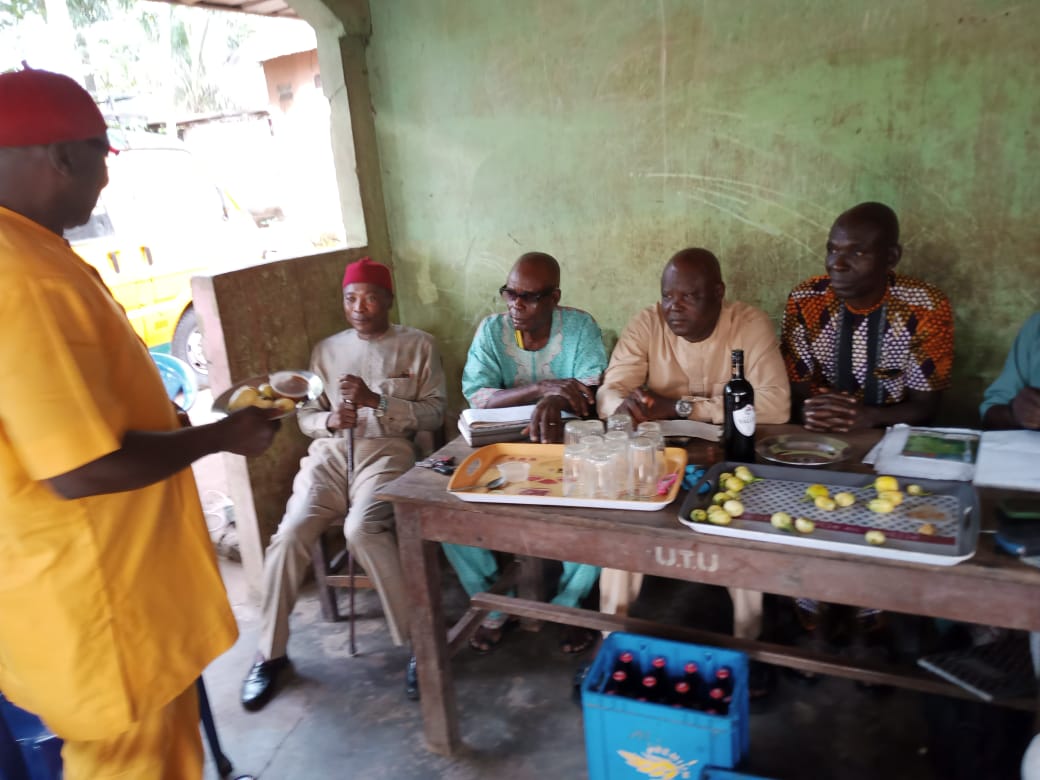
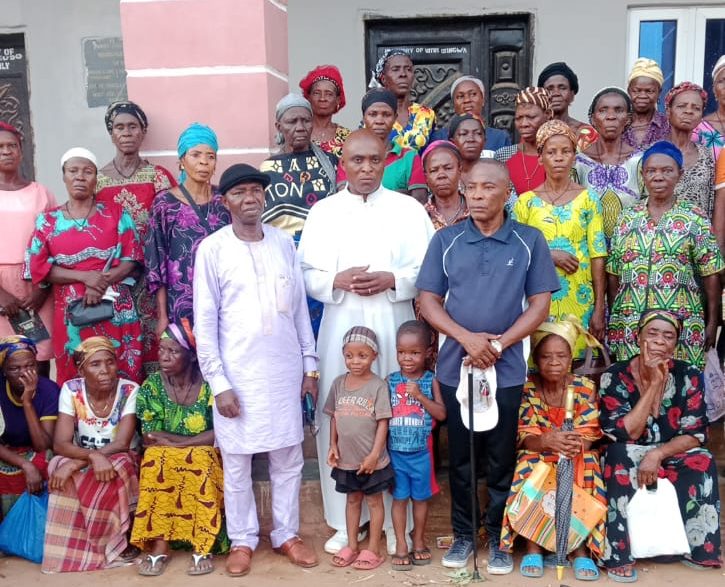
Ugbelle is a vibrant community rich in culture, history, and tradition, known for its strong sense of unity. The town is home to Comprehensive Secondary School Ugbelle and Community Central School Ugbelle, fostering education and growth. Its bustling markets, Nkwo Market and Afor Eluama, serve as centers of trade and social connection, while churches such as St. Mary’s Catholic Church and Christian Pentecostal Mission reflect the community’s strong faith.
The town’s economy thrives on natural resources like fishing, agriculture, hunting, and raffia wine production. Comprising several historic villages—including Umuonyiri, Umualuku, Umuokwaraodu, Umueleke, and Umuduruchi—Ugbelle is guided by HRH R. O. Okoro and the Eze Cabinet, with support from the Ugbelle Town Union, Women Wing, Umuaada Association, and Youth Wing, ensuring unity, progress, and the preservation of cultural heritage.
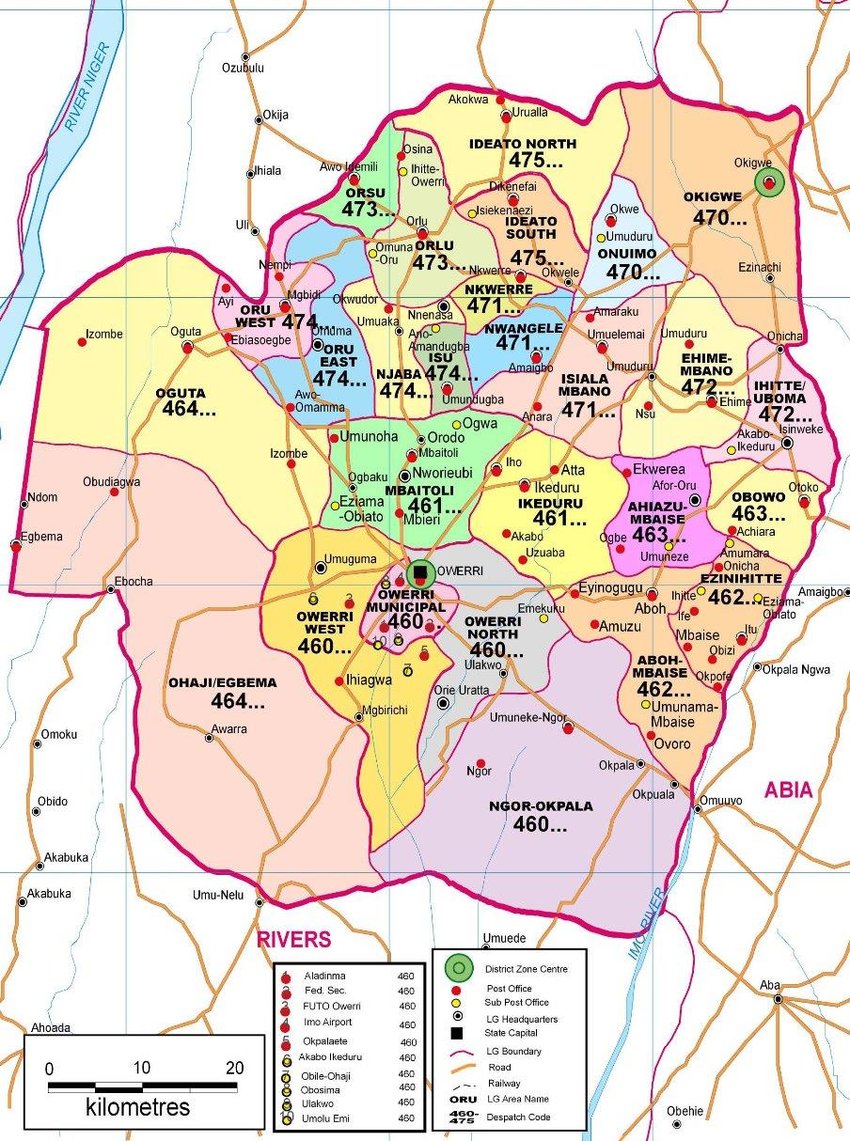
Ugbelle is located in Ideato South Local Goverment Area (LGA) which is in Orlu senatorial zone, in Imo State on the east side of Nigeria, West Africa
Who we are
URASHI RIVER — The Lifeline of the People
The Urashi River is one of Ugbelle’s greatest blessings.
It served as:
- A center of commerce
- A source of food and livelihood
- A link to neighboring communities
From the river, the people harvested yam, cocoyam, cassava, and fish, sustaining both Ugbelle and surrounding areas.
FISHING CULTURE
Ugbelle’s rivers supplied enough fish for the entire community.
Fishing methods included:
- Hooks
- Nets (Igbo)
- Traps such as nsu, mperete, and dam-damming
Residents rarely bought fish elsewhere except for crayfish or stockfish.
UGBELLE: Home of the Best Palm Wine
Ugbelle became famous for producing the finest palm wine across:
- Ideato Nation
- Nkwerre
- Orlu
People did not wait for Ugbelle to bring the commodity to the market — they traveled to Ugbelle’s boundary at dawn to get it.
Nkwo Ugbelle became known as the capital of palm wine.
CULTURE & SOCIAL LIFE
Festivals
Ugbelle traditionally celebrated:
- Ewe
- Oriri
- Asara
- Mgbuonwano
These festivals were marked by:
- Family gatherings
- Sharing of food
- Entertainment
- Appreciation of the elderly
- Exchange of gifts such as coconuts, dry fish, and meat
UGBELLE MARKETS
Ugbelle had two major markets:
1. Afor Eluama
A small daily market that provided essential food items.
2. Nkwo Ugbelle
A large market operating on the four-day cycle, attracting traders from:
- Ogboko
- Umuchima
- Umumaisiaku
- Mgbee
- Eluama Orlu
- Amike
- Amaokpara
- Isiekenesi
… and many more.
EKERE MGBA — Wrestling Tradition
Wrestling (mgba) was held at the end of the harvest season in Nkwo market square.
Young men squared up to prove their strength and bravery. Winners were celebrated with:
- Shoulder-lifting parades
- Gifts
- Fish or money
One notable wrestler was Late Stephen Duru of Umuduruchi.
AGRICULTURE & FOOD SECURITY
Agriculture was the backbone of Ugbelle’s economy.
Crops Produced
- Yam
- Cocoyam
- Cassava
Vegetables: Ugu, Oha, Nturukpa, Ugboguru, Ahihiara, and more
Every family had:
- A yam barn
- Cocoyam storage spaces
- Fruit trees: orange, ube, udara, coconut, mango, and kola nut
During the Nigerian Civil War, Ugbelle did not experience kwashiorkor, thanks to its abundant food production.
Animal Husbandry
Families kept:
-
Goats
-
Sheep
-
Chickens
TRADITIONAL DANCES
Nkwa Dance
Performed by women adorned with:
- Coral beads
- Black body dye (uri)
They danced in village squares (ama).
In Umuokwarodu, the dance square was commonly the Egbebere’s compound (Ama Uri at Ikpa).
Okorosha & Keleke
- Okorosha was danced in Eluama
- Keleke belonged to Uhualla
Communities such as:
- Umuokwarodu
- Umuduruaku
- Umuduruchi danced Okorosha, while Aluku na Oriaku Uhualla Ukwu Obinugwu danced Keleke.
Origins:
- Okorosha from Amike/Eshime
- Keleke from Orlu
These dances attracted spectators from far and near and strengthened bonds among families, friends, and in-laws.
Okonko
A culturally rich dance performed in both Eluama and Uhualla.
Originally exclusive, it required initiation but became more open over time.